The Uncertainty that AI Present to Future of Work

Thursday, 7th August, 2025.
Artificial Intelligence (AI) as any technology or system (computer hardware and software) that can model human functions (to think and act like humans) is reshaping the world around us while its development and advancement continue to evolve.
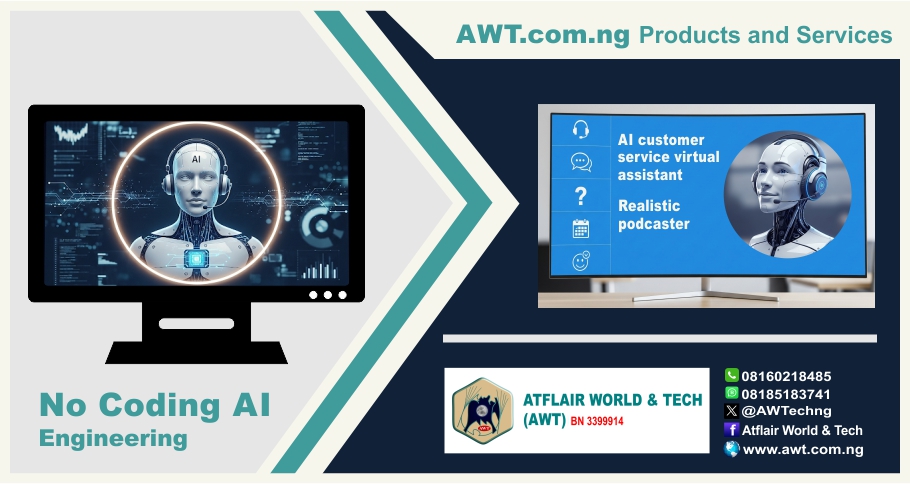
AI is transforming the world, reshaping industries and the lives of their workforce. From customer service virtual assistants like Google Assistant; Amazon Alexa; and Apple Siri that can effectively answer customer queries like providing products and services information; scheduling appointment; and tracking customer orders, to realistic podcasts from documents, self-driving cars that recognises cars; pedestrians; and traffic lights.
With the current development and integration of AI into present work system, some employees are losing their jobs to AI automation while it's also creating new jobs for others. AI is providing support in many ways like helping learners with personalise learning, supporting learners with diverse needs, and mitigating limited access to resources (educational materials) in education. As beneficial as AI is, it also come with some temporary and fixable adverse, which presents uncertainty to the future of work.
The Uncertainty and Future of Work
The uncertainty refers to lack of clarity about what may occur in the future of work. The future of work refers to the changes in occupation within industries, which is driven by several factors like advancement of technologies, skills transformation, societal expectation with impact.
AI is revolutionising industries by enhancing everyday tasks, offering personalised experiences especially in education, and creating new possiblilities, which is leading to a whole new world with possiblilities and new challenges with unprecedented new ways of getting tasks done, which presents uncertainty to the future of work. Potential job displacement, change in required skills, switch in occupational categories, and ethical considerations like bias and misinformation or disinformation that can for example lead to risk of wrongly accusing innocent people, all constitutes the uncertainty that AI present to the future of work.
Job Displacement
The fear of job displacement and ethical considerations like bias and misinformation are significant areas of uncertainty. While AI revolutionisation of industries is leading to loss of jobs in some sectors, AI is predicted to created more jobs than it takes if employees adapt to the change in skill requirements.
The Bias
AI systems are trained with large amount of dataset, and if part of the data contains biases, it can lead to conflict between ethnic groups or regions, or creates work gender inequality with gender stereotypes associating certain gender with specific professions when AI generate information from the data.
Misinformation
Misinformation with AI is incorrect information generated by AI, which can unintentional mislead users if not well evaluated before use. Misinformation is usually unintentional, unlike disinformation, which is fabricated content (flase information) that is intentionally disseminated to deliberately confuse, mislead, or deceive.
Solutions to the Uncertainty
In the history of work, there are changes that takes place with industrial revolutions, which signficantly shaped the history of work and industries. Each of those changes are marked by technological advancement, from first industrial revolution during use of steam engine for example in mid-1700s to mid-1800s (18th century to 19th century), to mass production and electricity during second industrial revolution in late 1800s to early 1900s (late 19th century to early 20th century). The third industrial revolution takes place with information technology and automation in mid-19th century, and the current fourth industrial revolution with smart technologies and artificial intelligence that is gradually shifting the narration.
Currently, jobs are getting redesigned in adaptation to shift in digital technologies and economy, and the solutions remains adaptation, reskilling and updskilling. As AI is promising to give more jobs, adaptation; reskilling; and updskilling are significant solutions to the uncertainty.
The adaptation consists many components, which essentially include evaluation of AI content before use. AI is advancing, and it's imperative for individuals and organisations to be adaptive, and then prioritise reskilling and upskilling in preparation for the future of work.
Responsible use of AI is not a threat to replace humans in the workplace but an opportunity for the next generation of employees if they can adapt and acquire the required skill as it require combination of technical and human skills. Some of the skills to acquire include the following:
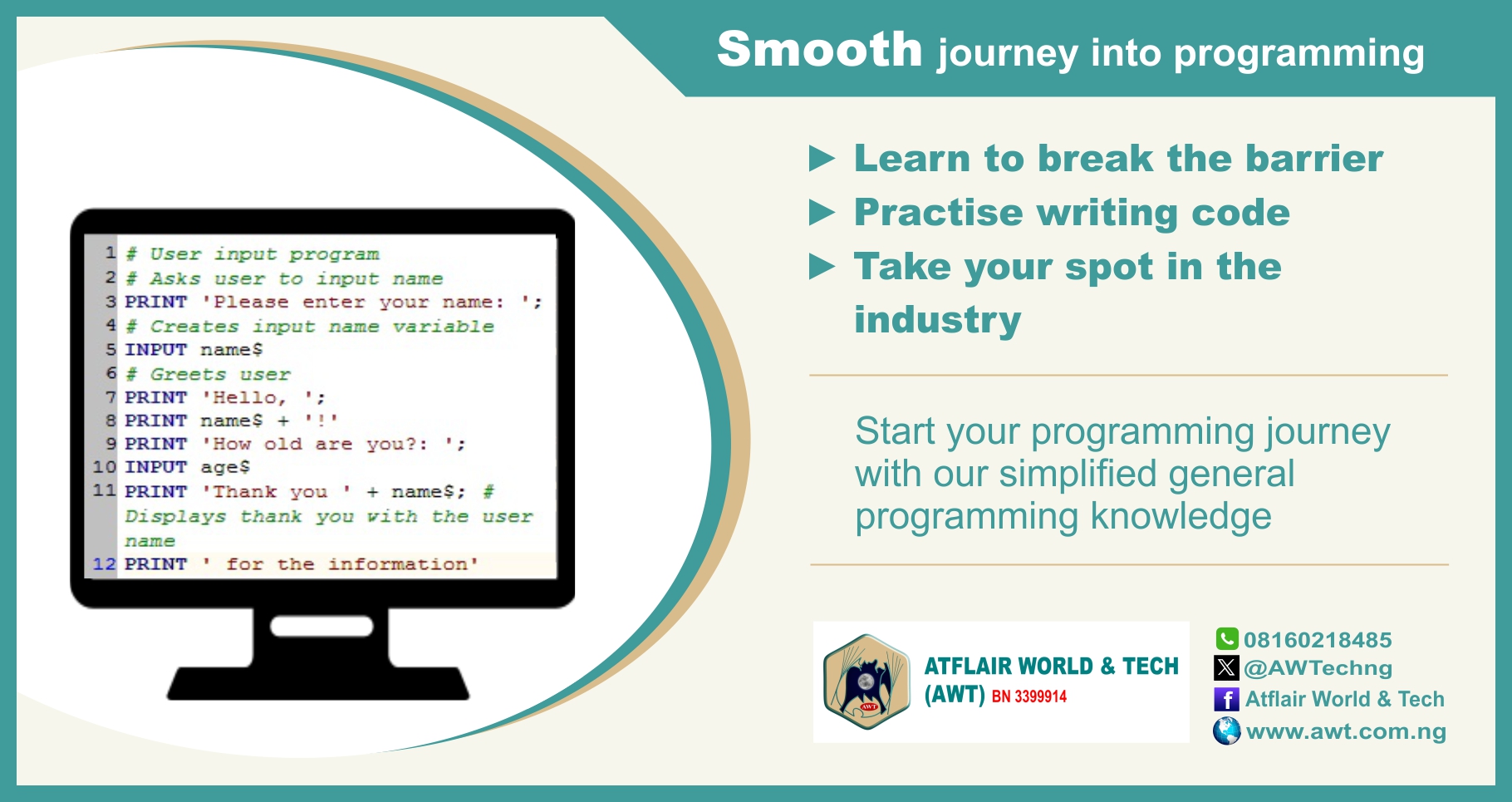
- Programming
- Data analysis
- Machine learning
- AI prompt engineering
- Critcal thinking and problem-solving